
Businesses spend significant time and resources trying to understand consumer behaviour. What makes someone walk into a store, stay in a space longer or make an unplanned purchase? While product quality and pricing matter, one often overlooked factor is the space itself. The physical environment plays a powerful role in how people behave, feel and decide.
Whether it is a retail shop, a showroom, a reception area or even a car park, every space communicates something. It gives cues that affect attention, engagement and action. Designing with these cues in mind is not only a matter of aesthetics. It is a business strategy.
Attention Is the First Step
Before any interaction happens, people notice their surroundings. Attention is selective and limited. In busy or unfamiliar environments, individuals quickly scan to determine what is relevant and worth exploring.
Physical design helps direct that attention. Lighting can spotlight certain areas. Layout can encourage movement toward a featured product. Colour contrasts and textures create zones that stand out from the background.
In retail spaces, this is why entrances are often kept open and inviting. Displays are designed to catch the eye within the first few seconds. Strategic use of space helps turn passive observers into engaged customers.
Layout Shapes Movement
How people move through a space is often the result of design rather than conscious choice. A good layout guides flow without making it feel forced. This is true whether someone is browsing a high street shop or navigating a hotel lobby.
Read More: The Role of Regular Cleaning in Maximizing Solar Panel Lifespan
Wide aisles, visual markers and intuitive pathways can keep people exploring longer. If the layout is confusing, people may leave quickly or avoid parts of the space altogether.
The positioning of key features also matters. In supermarkets, essential items are often placed at the back so that shoppers pass multiple displays along the way. In service areas, placing the reception in a central, visible spot builds trust and prevents hesitation.
The best spaces use subtle nudges to make movement feel natural and frictionless.
Sensory Elements Influence Mood
Consumer behaviour is not just rational. It is emotional. People respond to the feel of a space with their senses. Temperature, lighting, sound and scent all shape perception.
Bright, natural light can promote alertness and positivity. Warm lighting in cafés or lounges creates a more relaxed, welcoming vibe. Music tempo can even affect how long people linger in a shop or how quickly they eat in a restaurant.
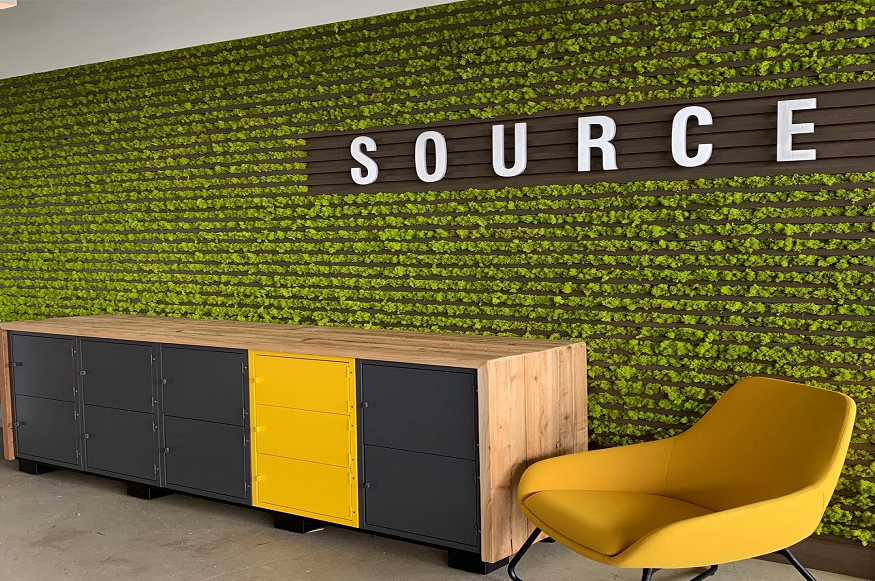
Materials matter too. Smooth finishes can suggest modernity and professionalism. Reclaimed wood or natural textures convey warmth or sustainability. All these sensory elements combine to influence whether a person feels comfortable, curious or hurried.
A positive emotional response can mean more time spent in the space and a higher chance of making a purchase or inquiry.
The Role of Visual Hierarchy
In any environment, some elements are meant to stand out more than others. This is where visual hierarchy comes into play. Businesses can use size, placement, colour and lighting to highlight key messages or areas.
Think of a display that sits at eye level, lit from above and surrounded by a clean backdrop. This setup draws the eye more effectively than an equally good product hidden on a lower shelf.
Read More: Elevate Your Interior Design with Authentic Beni Ourain Rugs
In offices and public buildings, wayfinding depends on visual hierarchy. People instinctively scan for the most visible and legible information. When done poorly, confusion can set in. When done well, it feels seamless.
Effective signage is one of the tools used to establish this visual order. Clear, well-placed signage can guide behaviour and improve satisfaction without drawing attention to itself.
Framing Choices and Creating Pause Points
Good space design helps people make decisions. It breaks complex environments into manageable parts. In a large shop, zones based on product type, colour or theme can help people focus on what matters to them.
Pause points also play a role. These are places designed to make someone stop and think. A bench, a feature wall or a change in flooring can act as a subtle cue to slow down. These moments of pause are valuable because they create room for reflection or interaction.
In retail, they can increase dwell time. In service settings, they can make a space feel more approachable. In offices or hospitality, they can help regulate flow and encourage informal connection.
Familiarity Versus Novelty
People are drawn to what they recognise, but also to what surprises them. Balancing these two forces is a key part of environmental design.
A layout that follows expected patterns will feel easy to navigate. But small, unexpected design features such as a bold accent colour, an unusual material or a quirky detail can spark interest and make the experience more memorable.
Spaces that combine familiarity with novelty tend to leave stronger impressions. They are easier to return to but also worth talking about.
This principle is used in branding as well. A consistent identity gives reassurance, while variation keeps things engaging. The same thinking applies to physical spaces.
Behavioural Zoning for Different Goals
Not all parts of a space need to serve the same purpose. Some areas are designed for high energy, others for calm. Creating these zones intentionally helps support diverse behaviours.
In a large venue or multi-use space, this might mean using colour, lighting and sound levels to differentiate between collaboration areas and focus zones. In retail, it could involve creating distinct experiences in each department to encourage deeper exploration.
These zones allow a space to serve multiple objectives without overwhelming the visitor. They help align business goals with the actual experience of moving through the space.
Measuring What Works
Understanding how space influences behaviour also means observing and measuring outcomes. Heat maps, footfall analysis and customer feedback all help businesses refine their environments over time.
Do certain displays draw more traffic? Are people getting stuck in particular areas? Do some features generate more questions than sales? All of these are clues that the design may need adjustment.
Environmental design is not static. It is an evolving process based on interaction and outcome.
For wider commercial, hospitality, or public-facing projects, small supporting details can make the finished space feel more complete. Composite decking can provide a durable, low-maintenance surface for terraces, entrances, outdoor seating areas, and customer-facing spaces; while hand dryers can support cleaner, more efficient washroom facilities; while traditional signage can add character, direction, and brand presence; while digital signage can share changing information, promotions, menus, or wayfinding updates clearly.
Final Thoughts
Spaces are not neutral. They affect how people feel, what they notice and what they do. For businesses, designing spaces with attention in mind is a way to guide behaviour without pressure. It creates an experience that feels intuitive and intentional.
From layout to lighting, from signage to sound, every design choice sends a message. When those choices are made with the user in mind, the space becomes more than a backdrop. It becomes a silent partner in shaping consumer decisions.